Scientific Discovery
How studying animals leads to amazing discoveries that change our world and improve human life
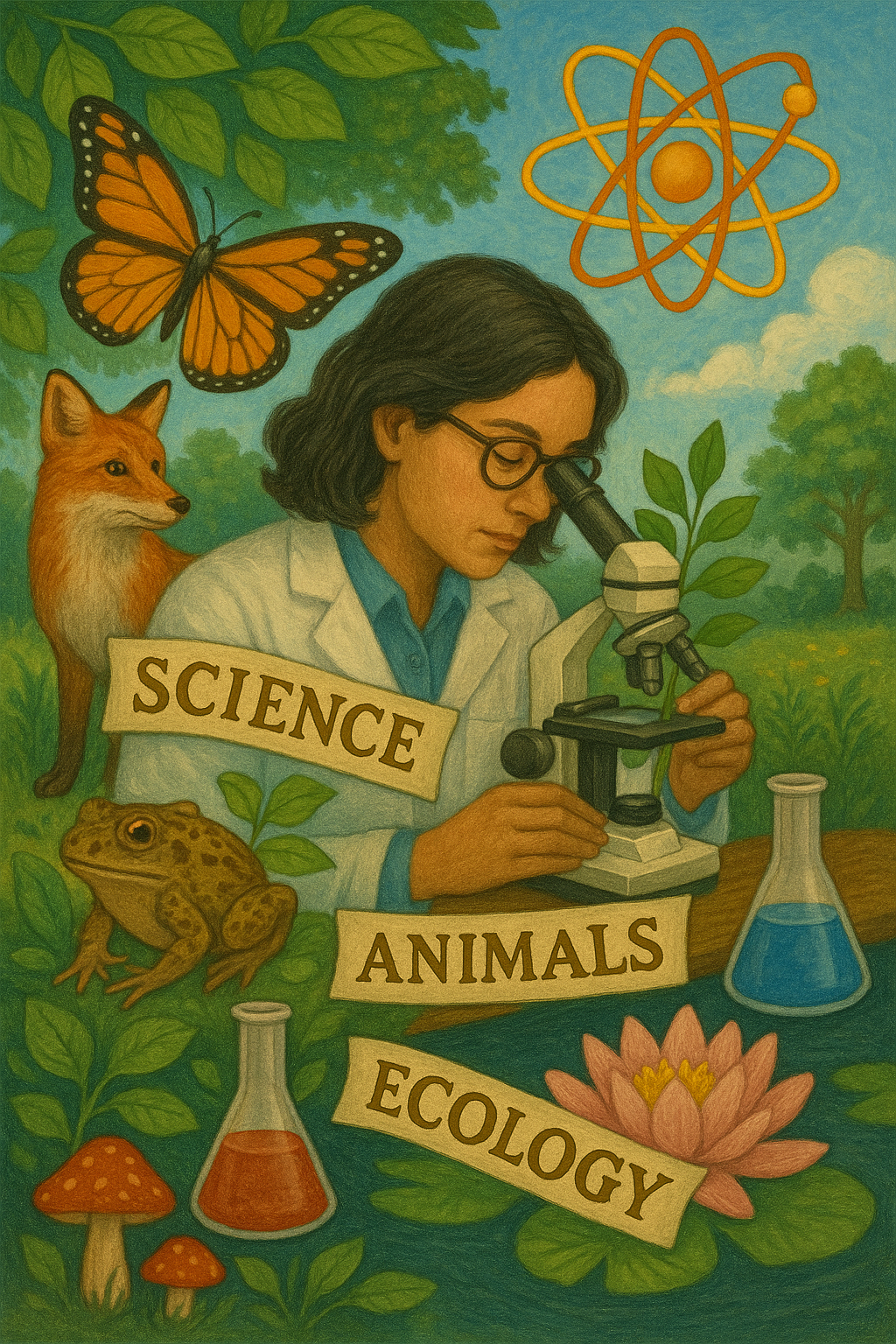
Animals: Nature's Greatest Inventors
For millions of years, animals have been developing incredible solutions to survive and thrive. From the gecko's amazing climbing ability to the shark's super-efficient swimming, nature is full of innovations that scientists study and copy to create new technologies that help humans!
This field of science is called biomimicry - which means "copying life." By understanding how animals work, scientists have invented everything from better airplanes to life-saving medicines.
🎯 Super Cool Fact!
Velcro was invented after a scientist noticed how burr seeds stuck to his dog's fur! The tiny hooks on the seeds inspired the design of this now-common fastener.
discovery.amazing.title
Gecko Feet
Discovery: Geckos can climb walls and even walk upside down on ceilings! Their feet have millions of tiny hairs that create a special force called van der Waals forces.
Human Application: Scientists created super-sticky tape that works like gecko feet - it can hold heavy objects on walls without glue and can be reused thousands of times!
Shark Skin
Discovery: Shark skin is covered in tiny tooth-like scales called denticles that reduce drag and prevent bacteria from growing.
Human Application: Swimsuits modeled after shark skin help Olympic swimmers go faster! Hospitals also use shark-skin-inspired surfaces to prevent bacterial infections.
Dolphin Echolocation
Discovery: Dolphins use sound waves to 'see' underwater. They send out clicks and listen to the echoes to find food and navigate in dark water.
Human Application: Sonar technology used in submarines and ships was inspired by dolphin echolocation. It's also used in medical ultrasound machines!
Bird Flight
Discovery: Birds have hollow bones, powerful chest muscles, and specially shaped wings that let them fly efficiently for hours.
Human Application: Airplane wings are designed based on bird wings! Engineers study how birds fly to make planes more fuel-efficient and maneuverable.
Honeybee Vision
Discovery: Bees can see ultraviolet light that humans can't see. This helps them find flowers with the most nectar by seeing special patterns on petals.
Human Application: UV cameras inspired by bee vision help scientists study plants, detect skin cancer, and even find hidden messages in art!
Spider Silk
Discovery: Spider silk is stronger than steel but incredibly light and flexible. Some spider silk can stretch up to 5 times its length without breaking!
Human Application: Scientists are creating artificial spider silk for bulletproof vests, surgical sutures, and even biodegradable fishing nets!
Future Frontiers: What's Next?
Scientists are constantly discovering new animal abilities that could change our future. Here are some exciting areas of research:
- •Cuttlefish Camouflage: These amazing creatures can change their skin color and texture instantly. This could lead to color-changing clothes or adaptive camouflage for soldiers.
- •Mantis Shrimp Vision: Mantis shrimp can see 12 color channels (humans see only 3!). This could revolutionize cameras, medical imaging, and cancer detection.
- •Electric Eel Power: Electric eels generate electricity to stun prey. Scientists are studying this to create better batteries and medical devices.
- •Hummingbird Hovering: Hummingbirds can hover in place and fly backwards. This inspires designs for drones and flying robots that need precise control.
🚀 heroes.future.title
Every animal has evolved unique solutions to survive. By studying them, we're not just learning about nature - we're discovering the technologies of tomorrow!
How YOU Can Become an Animal Scientist
- 👀Observe Nature: Watch animals in your backyard or local park. How do they move? What makes them special?
- 📝Keep a Nature Journal: Draw and write about animals you see. Note their behaviors and ask questions about how they work.
- 🔍Ask 'Why?' and 'How?': Why do birds have different beak shapes? How do fish breathe underwater? Curiosity is the first step to discovery!
- 🧪Try Simple Experiments: Test ideas safely at home. Can you design a paper airplane inspired by bird wings? Can you create a water filter like wetland plants?
Remember: Every great scientist started by being curious about the world around them. You could discover the next big breakthrough!